01
Individual Dignity & Responsibility
People are agents with the capacity to make decisions - not beneficiaries to be managed.
About Zeebaran
Zeebaran works in horticulture because business is one of the most powerful instruments for creating lasting social change. It shapes livelihoods through the choices it makes every day: what it builds, what it rewards, what it measures, and what it makes possible.
Those choices influence people, markets, and institutions over time. Zeebaran's responsibility is to ensure they expand capability, strengthen opportunity, and leave the horticultural system better than it was before.
OUR PEOPLE
A shared commitment to growers, grounded in the work we do every day.
At that scale, access to quality planting material, practical knowledge, infrastructure, storage, and markets is often uneven. A capable grower can still be limited by the conditions around the orchard.
Zeebaran exists to strengthen those conditions. By connecting knowledge, technology, infrastructure, and markets, it works to expand the capability of growers—and the horticultural system they depend on.
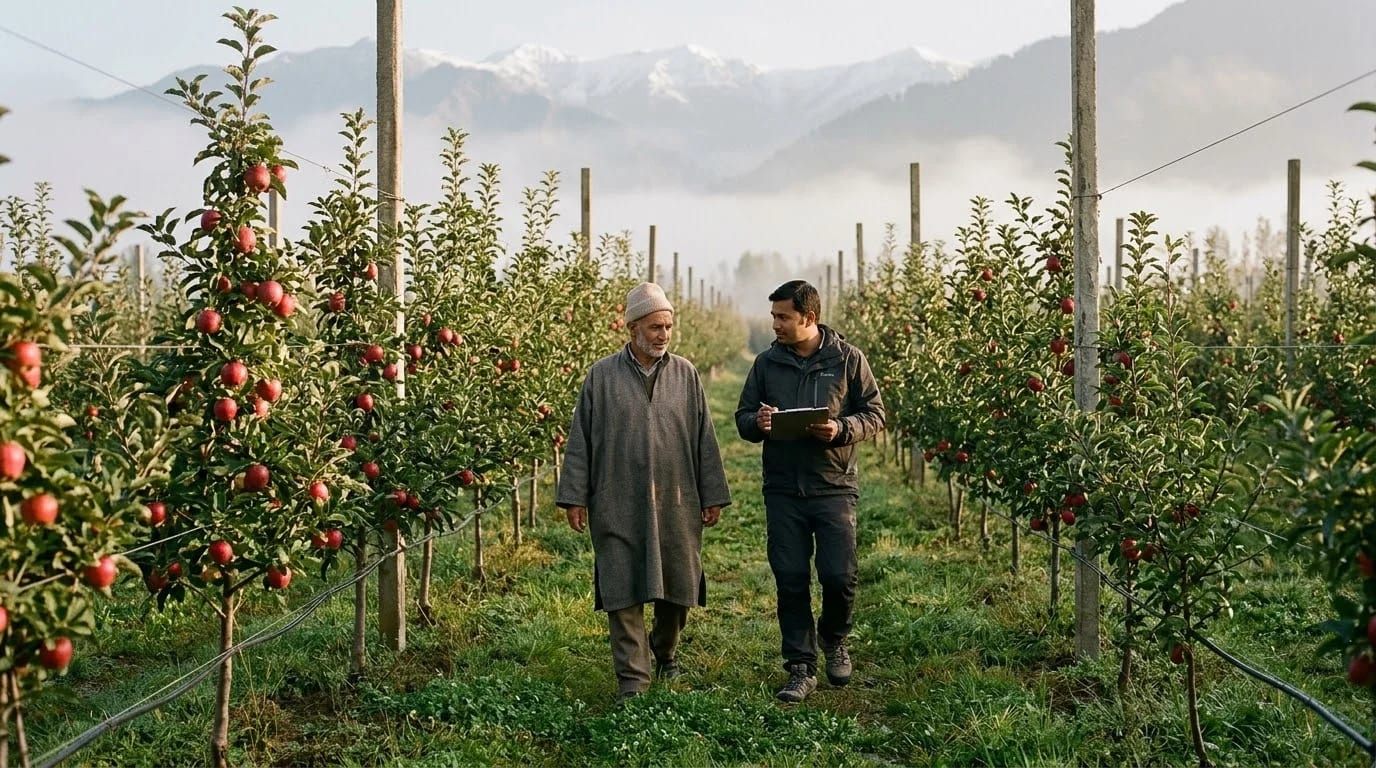
Zeebaran is building an integrated horticulture platform that connects the capabilities growers depend on throughout the life of an orchard—from planting material and orchard development to field advisory, agri-inputs, digital decision support, post-harvest infrastructure, procurement, logistics, and market access.
Each capability addresses a different constraint. Together, they create a system that is more useful than any one capability could be on its own.
The platform in detailZeebaran's work began by solving practical problems in fruit production and market access. As each constraint was addressed, the next became visible. The institution grew by responding to those challenges in the order they appeared.
What exists today is not a collection of unrelated businesses; it is an integrated operating system built one capability at a time—each one strengthening the next.
Quality required consistent grading and handling before produce entered the market.
A two-hectare model high-density temperate fruit orchard was established - the first of its kind in the region.
A further 5,000 MT controlled atmosphere facility was commissioned in Lassipora, incorporating modern packhouse technology and high-precision sorting.
Growing production required integrated post-harvest infrastructure capable of preserving quality at scale.
Markets increasingly required confidence in product identity, quality grade, and origin provenance.
A transparent cold chain was introduced, connecting produce directly from harvest through modern storage to wholesale and retail partners.
A further 5,000 MT controlled atmosphere facility with automated sorting was established in Sopore, Baramulla.
Post-harvest infrastructure needed to expand directly closer to northern production clusters.
Growers needed practical, end-to-end technical support to establish modern orchards successfully.
High-density orchard development became a turnkey commercial service for growers across the Himalayan region.
A further 5,000 MT controlled atmosphere facility with automated grading and sorting was commissioned in Achabal, Anantnag.
Regional access to quality post-harvest infrastructure remained limited across southern valleys.
An orchard requires continuous management - not only successful initial establishment.
Season-long orchard management protocols and tailored advisory services were introduced across partner grower clusters.
A further 5,000 MT controlled atmosphere facility was commissioned in Lassipora, bringing Zeebaran's total storage capacity to 30,000 MT.
Growing production required greater storage volume and operational stability.
Critical high-tensile trellis support infrastructure was not consistently available locally.
The region's first pre-stressed concrete pole manufacturing facility was established in Khrew, Pampore.
The digital ag-platform introduced mobile orchard records, pest diagnostics, weather intelligence, and agronomic guidance.
Technical agricultural knowledge had to reach directly into the orchard when time-sensitive decisions were made.
Long-term productivity and soil health required natural biological systems alongside conventional protection.
Zeebaran established dedicated biological testing labs and commenced regional distribution of ecological crop protection solutions.
Zeebaran secured landmark foreign institutional direct investment from premier European sustainability and impact funds.
Building permanent, generational institutions requires patient capital aligned with system outcomes.
People are agents with the capacity to make decisions - not beneficiaries to be managed.
Support should increase a person's ability to act independently over time, not create lasting dependence.
Competitive advantage should be earned continuously while strengthening the wider horticultural system.
Opportunity should be determined by ability, character, and contribution - not by birth, relationship, or inherited position.
The long-term health of growers, markets, land, and institutions takes precedence over short-term extraction.
The institution must remain commercially sustainable so it can continue investing in people, capability, and the long-term health of the system.
The full ordering is applied as a decision tool, not a value statement. See governance →
Zeebaran's work is meaningful when it leaves people with greater knowledge, stronger choices, and the capability to build livelihoods, enterprises, and institutions that continue to grow without continual dependence on Zeebaran.
Every published story is shared with permission, supported by verified evidence, and presented in the participant's own words wherever possible.
See what has changed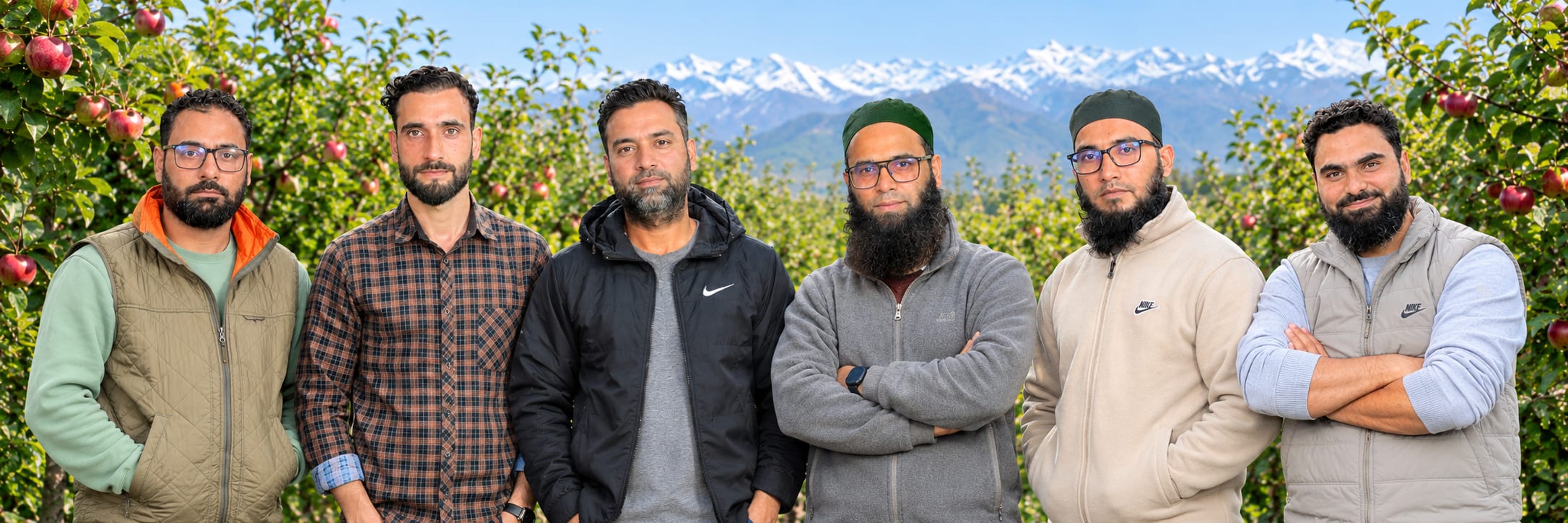
Stronger horticultural systems are built through complementary capabilities. Zeebaran works with growers, researchers, institutions, technology partners, and long-term capital to strengthen what no single organisation can build alone.
If your work can contribute to that shared effort, we would welcome the opportunity to understand it, and explore where we can build together.